Testosterone Replacement Therapy (TRT): Who Actually Needs It?
TRT clinics are everywhere, and sometimes low energy really is testosterone. How doctors decide who needs testosterone replacement therapy, and the tests that matter.

- Doctors diagnose low testosterone only when you have symptoms and consistently low levels on two early-morning blood tests.
- The US urology guideline uses 300 ng/dL (about 10.4 nmol/L) as a reasonable cut-off.
- Symptoms alone aren't enough. Sleep, weight, alcohol, stress and medications can all mimic or cause low T, and some of them are fixable without hormones.
Scroll for five minutes and someone will tell you that every modern man is running on half-empty testosterone, and that a clinic down the road can fix it with a shot. Some men genuinely do need testosterone therapy, and it can change their lives. Many others are being sold a solution to the wrong problem.
How do doctors diagnose low testosterone?
Both major guidelines agree on the basics:
- You need symptoms. Things like low sex drive, fewer morning erections, erection problems, fatigue, low mood, losing muscle or reduced body hair. The Endocrine Society says a diagnosis should be made only in men with symptoms and signs consistent with deficiency, plus clearly and consistently low testosterone.1
- You need two blood tests. The American Urological Association says low testosterone should be diagnosed only after two total testosterone tests on separate occasions, both taken early in the morning.3 Testosterone is highest in the morning and varies day to day, so one random afternoon result means very little.
- The number. The AUA uses a total testosterone below 300 ng/dL as a reasonable cut-off.3
In July 2026, the Endocrine Society put out a statement stressing exactly this. Symptoms alone aren't diagnostic, there's not enough evidence to screen men who feel fine, and many testosterone tests are inaccurate or use the wrong reference ranges.2
Things that lower testosterone (and can often be fixed)
- Extra weight. In men carrying a lot of extra weight, losing it reliably raises testosterone.4
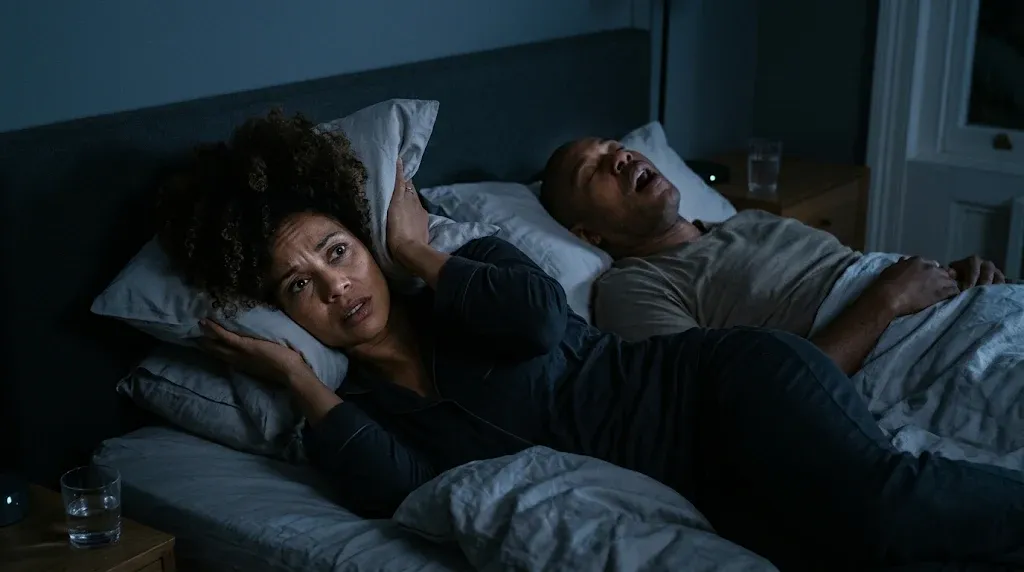
- Short sleep. One week of five-hour nights cut young men's testosterone by 10–15%.5 Sleep apnea is another common culprit.
- Heavy drinking and some medications, especially opioids and long-term steroids.
- Illness and stress, which can temporarily drag levels down.
Doctors also look for why testosterone is low, including problems with the pituitary gland, before starting treatment.1
What can testosterone therapy do?
For men who are genuinely deficient, the AUA says treatment may improve erectile function, sex drive, anemia, bone density, lean muscle and depressive symptoms.3 But it's a long-term commitment with monitoring, and it has trade-offs:
- It can shut down sperm production. Men who want children should have a fertility check before starting.3
- It needs regular blood tests, including red blood cell levels (hematocrit) and prostate checks.1
- It's not a shortcut for men with normal levels. It won't fix sleep debt, stress or a relationship rut.
What should you ask before starting TRT?
- Did you have two early-morning tests, on different days?
- Were both clearly low, from an accurate lab?
- Has someone looked for the cause?
- Have sleep, weight, alcohol and medications been addressed?
- Have you discussed fertility, and is there a monitoring plan?
Home testosterone tests
Finger-prick kits can be a convenient first look, especially if you take the sample early in the morning. But a result should be confirmed with proper morning blood tests through a doctor before any treatment decision.Quick answers
How is low testosterone diagnosed?
By symptoms plus consistently low levels on two early-morning blood tests. Symptoms alone aren't enough.
What testosterone level is considered low?
The US urology guideline uses 300 ng/dL (about 10.4 nmol/L) as a reasonable cut-off.
Can low testosterone be fixed without TRT?
Sometimes. Sleep, weight, alcohol, stress and medications can all cause or mimic low testosterone.
Sources
- Bhasin S et al. Testosterone therapy in men with hypogonadism: an Endocrine Society clinical practice guideline. J Clin Endocrinol Metab. 2018. pubmed.ncbi.nlm.nih.gov/29562364
- Endocrine Society. Statement on testosterone replacement therapy. July 2026. endocrine.org
- American Urological Association. Evaluation and management of testosterone deficiency (2024). auanet.org
- Corona G et al. Body weight loss reverts obesity-associated hypogonadotropic hypogonadism. Eur J Endocrinol. 2013. pubmed.ncbi.nlm.nih.gov/23482592
- Leproult R, Van Cauter E. Effect of 1 week of sleep restriction on testosterone levels in young healthy men. JAMA. 2011. pubmed.ncbi.nlm.nih.gov/21632481
This article is for general education and isn't medical advice. If something's worrying you, a doctor, nurse or pharmacist can look at your situation properly. How we research our articles.